Senior writer
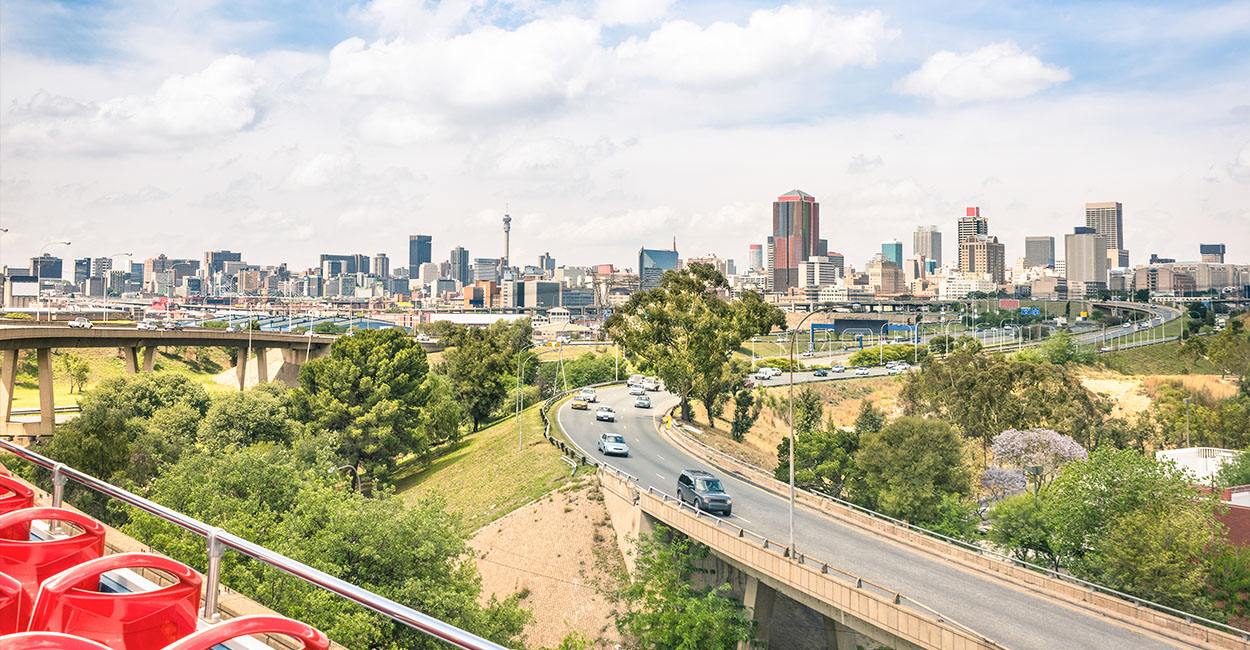
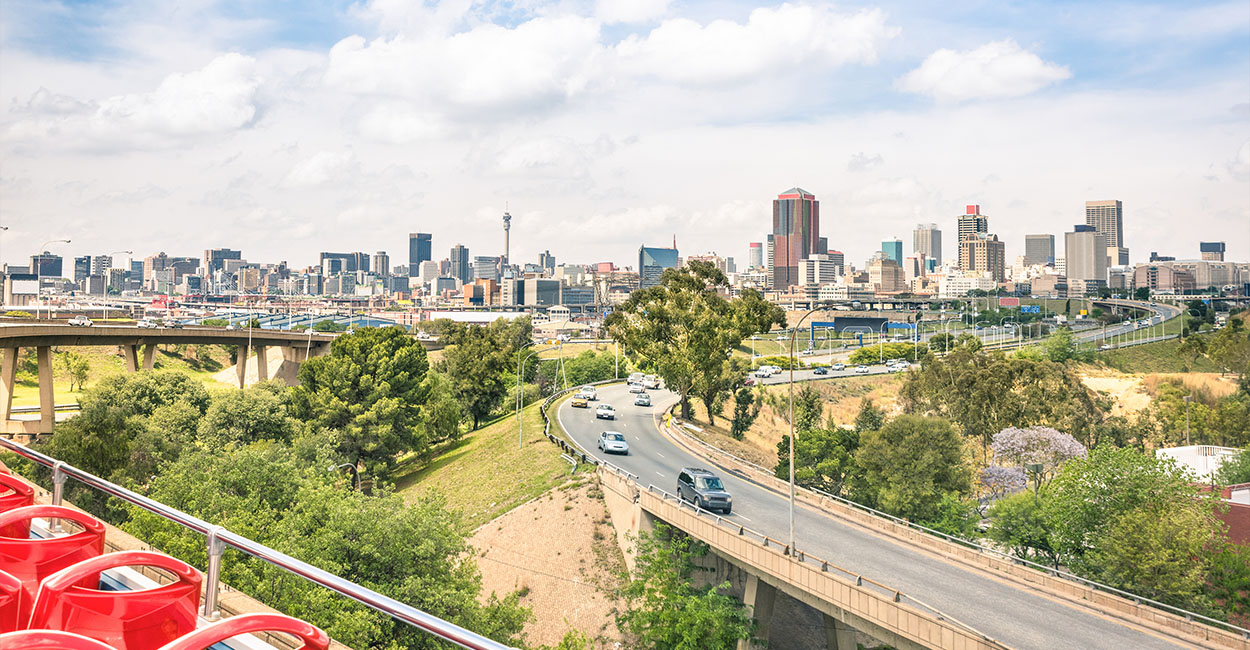
Johannesburg is in visible distress. Years of failing infrastructure and municipal dysfunction have left residents battling pothole-riddled roads, broken traffic lights, unreliable water and electricity supply, billing chaos, hijacked buildings, and escalating corruption. For many, the city no longer feels governed; it feels abandoned.
Collapsed planning systems
Helen Zille, chairperson of the Federal Council for South Africa’s Democratic Alliance (DA), is campaigning as the party’s candidate for Mayor of Johannesburg in the 2026 local government elections. In a recent Facebook post, she said the city’s planning systems have almost completely collapsed, and the land information system was not working due to unpaid bills. “When that happens, municipal rate accounts can’t be opened; residents who have lawfully taken transfer of their properties can’t register their accounts or pay their rates even when they want to. These same residents are cut off, issued with arrears notices, and subject to punitive action for accounts they were never able to open in the first place.
“This also has serious consequences for the finance department that cannot verify property ownership or process critical transactions,” Zille mentioned. She added that the planning department has locked away all building plans older than four years in the decaying Metro Centre, making them difficult to access. As a result, new developments stall, banks refuse loans, and property owners can’t sell without plans.
Residents have lived under a “worry cloud” since around 2016. Since then, nine changes in mayoral leadership have contributed to service delivery failures, while Auditor-General reports have flagged procurement non-compliance, irregular and wasteful expenditure, and a lack of consequence management.
In April 2024, President Cyril Ramaphosa established a Presidential Johannesburg Working Group to collaborate with government, the private sector, and civil society. In 2023, residents and civil society groups formed the Joburg Crisis Alliance to advocate for change and help repair broken services, alongside initiatives like the Water Crisis Committee and Jozi My Jozi.
William Gumede, associate professor, School of Governance at the University of the Witwatersrand (Wits), voiced his concerns about the city in the last quarter of 2025, saying:
“Johannesburg is teetering on the brink, with infrastructure collapsing, frequent water and power outages, and rubble piling up. Public transport is broken. Rule of law in parts of the city has collapsed; streets are unsafe, and buildings and businesses are regularly hijacked. The city has run out of funds and may soon become bankrupt, making it the biggest South African city to go under.
“Unless there is intervention now, it will be harder to turn around infrastructure decline, lawlessness, the culture of corruption, and informalisation of the economy.”
Candidates for mayor
Gumede also made the valid point: “Factors contributing to the city’s fall are citizens consistently electing stunningly useless political leaders based on party loyalty, rather than competence, record of performance, and honesty.”
While we wait for the IEC to announce the local government election dates, which will be either late this year or early next year, mayoral candidates are already campaigning. However, some parties have yet to officially confirm their candidates. Names on the table currently are:
- Dada Morero (African National Congress): Unconfirmed as the ANC’s candidate and current mayor.
- Loyiso Masuku (African National Congress).
- Herman Mashaba (ActionSA).
- Kenny Kunene (Patriotic Alliance): Confirmed as the PA’s candidate.
- Helen Zille (Democratic Alliance): Confirmed as the DA’s candidate.
Three of these candidates have experience as mayor: Dada Morero (current mayor), Herman Mashaba (Joburg mayor 2016-2019), and Helen Zille, Cape Town mayor (2006-2009).
“Clearly, residents must stop voting for political leaders who have never managed anything before. Competence-based voting must become the norm,” says Gumede.
The next local election will be crucial to Johannesburg’s survival. As Gumede points out, “Many failed African cities have deteriorated to such an extent that locals often deem these cities to be unsalvageable, and new parallel cities are then built instead, as it will be cheaper, less cumbersome, and easier to start from scratch building another city than rescuing the failed city.”
Real estate recovery
Whilst the city has proved resilient against the odds, the challenges of the management of Johannesburg can be said to have caused subdued demand for property and minimal price growth, especially when compared to the effectively run Western Cape, where prices in Cape Town increased by 25% in five years, compared to Johannesburg’s 12%. There is also the exodus of residents, who voice concerns over safety and service delivery, moving to better-run municipalities.
However, as Bradd Bendall, BetterBond’s national head of sales, notes, “Although the Western Cape’s appeal is likely to keep it at the top of the house price growth rankings, emerging reverse semigration trends could see parts of Johannesburg enjoying renewed buyer interest. The Wise Move Migration Report shows that nearly 25% of Western Cape residents who move provinces are returning to Gauteng because of employment opportunities.”
Johannesburg also offers substantial value for money, says Bendall, which is particularly attractive to young professionals and families. “Demand in Gauteng, especially among first-time buyers, is reflected in BetterBond’s December 2025 Property Brief data on building plans passed. From January to September last year, the value of building plans completed in the province exceeded R8.5 billion, slightly higher than the value of plans passed in the Western Cape. This points to growing demand for property investment in the region.”
Once economic stability returns, which we hope it does under new leadership in the future, residents remain hopeful that Johannesburg will once again live up to its nickname, The City of Gold.