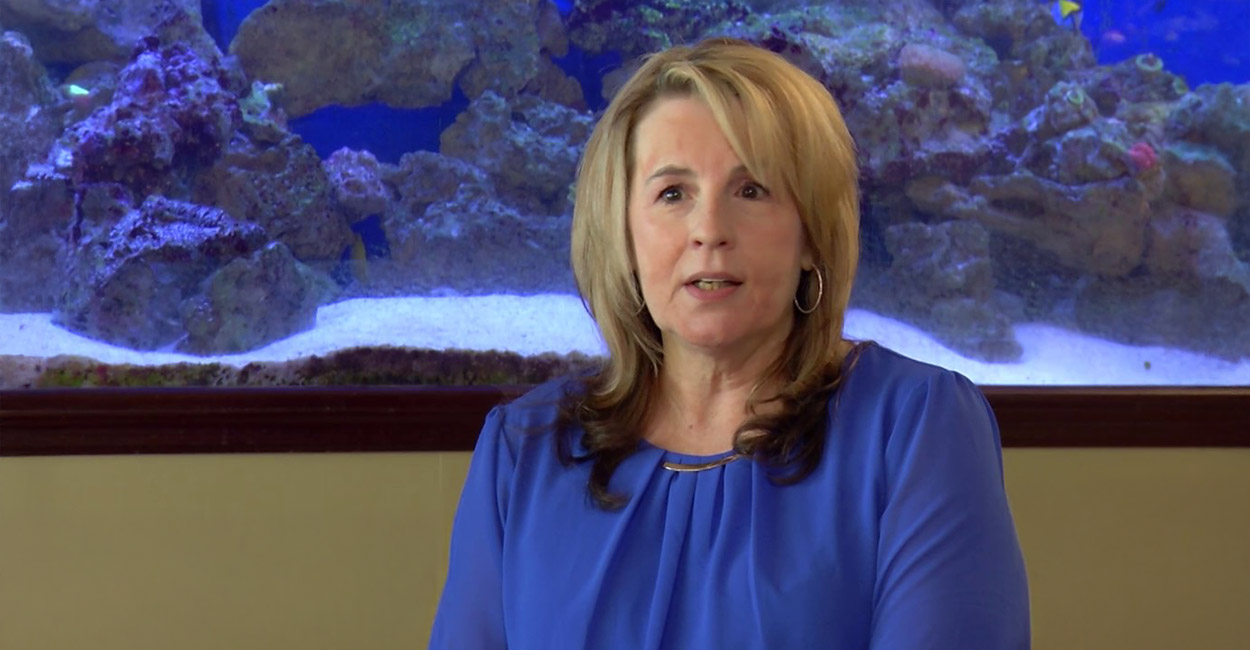

Kerry Dimmer
Several years ago, global marketing authority Seth Godin told a hall full of real estate agents: “You should quit selling real estate. I’m serious. Quit being an agent. Get a job doing something else. Some of you have been waiting to hear that. My pleasure!”
He was semi-joking, but his point was that agents who built their businesses on low interest rates, easy money, and speculation had no place in today’s tough, highly competitive market. For those who were prepared to stop whining, Godin felt there were extraordinary opportunities; one of which was to “become the expert in what you do … which means micro-specialisation!”
In highlighting this, Godin is not alone. There are innumerable sources across the web that emphasise the value of specialisation in the real estate context, and the keyword here is ‘target audience’. These two words are often challenged by many property practitioners because they don’t want to set parameters about the type of clients they assist. All are welcome, as the front door mat says…
However, just because you define your target audience doesn’t mean you are abandoning other clients; in fact, you can still service those. The greater picture is – as Nick Schlekeway, real estate founder and CEO, says in his authored Inman article ‘How to define your target audience without losing existing business’ – about becoming laser-focused on your marketing, branding, and outbound efforts without abandoning the systems that are already working for you.
“You can still work your sphere, follow up with referrals and answer the phone when past clients reach out. But in the market? In your messaging? You want to be known for something,” says Schlekeway, “because when you try to speak to everyone, you reach no one. The agent who specialises in a specific lifestyle, property type or community will be remembered long after the generalist is forgotten.
“And, when your business is aligned with your passion, your energy is different. Your conversations are easier. Your content flows. You show up more consistently and more authentically. And over time? That consistency builds trust and authority that a generalist brand can’t replicate.”
So how does one find a niche? Identifying your strengths is the short answer, and this requires you, in turn, to answer some pertinent questions about yourself, says Schelkeway. “What communities do you naturally gravitate toward, what lifestyle do you know like the back of your hand, what part of the business gives you energy?”
His examples focus the lens. “If you are a golf fanatic, why aren’t you the go-to agent for golf course communities in your area? Love mountains? Why not specialise in homes with acreage? When your passion matches your positioning, everything in your business becomes easier and more enjoyable. And when you’re known for something? You’re not just getting more leads – you’re getting better leads.”
There are also a growing number of ‘new’ residential ‘specialist’ property practitioner niches that may be worth considering: Green properties, Smart properties, Seniors, Situational (such as divorcing families), Historic homes, are all great examples. What these types of specialisation niches require is a supreme level of knowledge about the issues, challenges, and innovations, and, in some instances, a technical understanding of what comes into play. You need to be able to ‘speak the language’ with authority.
A dedicated specialist will also want to cultivate relationships with key players and vendors in the area, understand local regulations, and legal parameters that apply to the niche. They, in turn, may also be able to direct clients to you because word-of-mouth chain is, as all agents know, an endorsement.
Micro-specialisation itself is a method that may not work for those operating in small towns, nor is it necessarily the route for independent agents unless the area has a high turnover of, for example, sectional titles, if that is the chosen specialisation. The fact is, however, that it is a value-add of high ethical standards and skills that enhance perceptions that you are the ‘go-to’. If you craft highly effective messaging, sharpen your focus, understand all the nuances of your chosen specialisation, and start by picking a small target market or community, there is a good chance that your audience and passion will align.