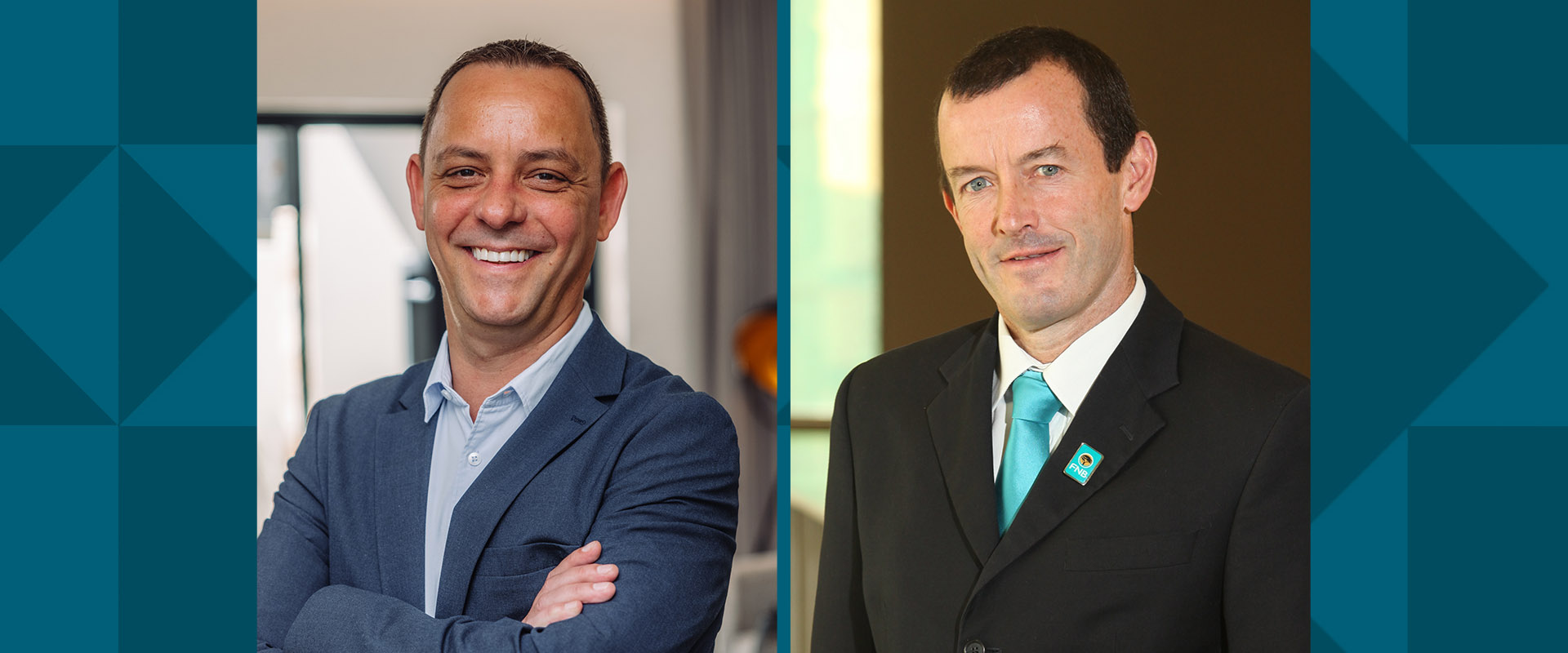

MAIN IMAGE: Stephan Potgieter – CEO of BetterBond, Khairiyah Safeda – founding director of Safeda & Associates, Dawie Roodt – founder, director, and chief economist at the Efficient Group
Kerry Dimmer
A once-in-a-generation transfer of global wealth is underway — and property sits at the heart of it. But South Africa’s experts warn that without the right structure, what you inherit could cost you more than you gain.
From now until the mid-2030s, an estimated USD100 trillion in global individual assets will shift hands as baby boomers pass their wealth to Generation X, with millennials following closely behind. By around 2040, when the majority of boomers will have passed away, economists expect entire consumer markets and investment landscapes to look fundamentally different. Housing, as ever in South Africa, is central to the story.
But the experts agree: this isn’t simply a question of whether younger South Africans should buy property. It’s about how they buy it, how they hold it, and how they eventually pass it on.
Entering the market later — and smarter
BetterBond’s data tells a revealing story about timing. The average age of a first-time buyer in South Africa is now around 37 — a figure that reflects both the financial pressures facing younger generations and a more deliberate approach to property decisions.
“With older generations living longer, wealth transfer through inheritance often happens later, too,” says Stephan Potgieter, CEO of BetterBond. “This increases the likelihood that financial support to Gen X takes the form of early contributions — such as deposits or bond assistance — rather than direct property gifts. A ‘living gift’ of a financial contribution can be more valuable than a future transfer of property as inherited wealth.”
Inherited capital: From windfall to strategy
Conveyancing attorney Khairiyah Safeda, founding director of Safeda & Associates, is seeing a markedly more sophisticated approach to inherited funds. “What I’m seeing is a more strategic use of inherited wealth. Many clients are using liquid assets to make larger deposits. In our current interest-rate environment, this allows them to secure a lower bond and maintain a manageable monthly cash flow while still preserving some of that inherited capital for other investments.”
Dawie Roodt, founder, director, and chief economist at the Efficient Group, reinforces the case for property as a wealth-preservation vehicle. “It keeps its value relative to inflation, and you can gear it, depending on the current interest rate. Currently, that rate is relatively low, meaning the informed Gen X individual would likely be better off using a home loan.”
The rise of the family trust — and why it matters
Perhaps the most significant structural shift Safeda is observing is the surge of interest in family trusts. “Clients are no longer just looking to ‘buy a house’ — they are looking to ‘secure an estate’,” she says. Her firm is handling a growing volume of transactions in which properties are being moved into trusts to shield assets from estate duties and the often lengthy, expensive process of winding up a deceased estate.
Roodt agrees that tax is, without doubt, the central issue in any wealth transfer conversation. “Trusts and company structures have a role to play in reducing taxes, such as capital gains and inheritance taxes. I do these kinds of structures regularly, and I can tell you they are effective — but it doesn’t make sense for anyone with assets less than R10 million. For those with smaller estates, there are less expensive mechanisms, like structured donations to children over a parent’s lifetime.”
For trusts with significant assets, Roodt recommends going further still. “With relatively large estates, a trust should also contain a family constitution — rules that ensure, for example, that heirs can’t borrow excessively from the trust, or that any borrowing is tied to productive purposes like starting a business, subject to approval. Even people without enormous wealth can put these rules in place to protect intergenerational transfer.”
The hidden cost of inheriting a home
Potgieter cautions against a common and costly misconception. “Inheriting a home will not automatically bring financial gain. In reality, beneficiaries may face unexpected costs such as outstanding municipal rates, levies, bond balances, maintenance expenses, and transfer-related legal processes. Underestimating the time it takes to finalise an estate, assuming the title deed can be transferred quickly, or overlooking potential disputes between heirs are all common pitfalls. Delays can also occur if there are SARS compliance issues or if the estate is not properly administered.”
Knowledge is the new currency
Safeda sees a defining opportunity for property professionals in this environment: education. “A lot of the younger buyers are hungry for wealth-preservation knowledge. Professionals who can explain how to structure a purchase, not just where to buy, will win their loyalty.” Her social media following, predominantly in the 25–44 age bracket across Instagram, Facebook and TikTok, backs this up with strong demand for content on structuring and holding property, not just selecting it.
That same demographic is driving two clear property trends: high demand for secure, lock-up-and-go sectional titles in Gauteng hubs, and rising interest in multigenerational residences — properties where a secondary dwelling or granny flat can be added, allowing the older generation to downsize on-site while the younger generation steps into the primary residence.
Lifestyle over legacy: how Gen X is buying
Gen X’s buying decisions are increasingly shaped by lifestyle and flexibility rather than the pursuit of a forever home. Potgieter confirms this shift, noting that downsizing is not necessarily synonymous with spending less. “Buyers are often willing to pay a premium for secure properties with lifestyle amenities such as gyms, walking trails, or padel courts.”
The numbers support this. BetterBond data shows that the average purchase price for buyers aged 51 to 60 is R1.95 million, while buyers over 60 spend an average of R2.3 million — suggesting that older buyers are trading square metres for quality and security, not simply seeking the cheapest exit from the market.
What this means for agents and advisors
Early intervention through financial planning and specialised advisory services can help families navigate the complex terrain of wealth transfer, making the process less costly and less contentious. For property professionals, this signals a shift in the value proposition they need to offer.
As Potgieter puts it, the great wealth transfer isn’t just about the handover of a title deed; it’s about the structure of the holding. “The goal for the modern South African buyer is to ensure that generational wealth doesn’t get eroded by the costs of the legal or tax systems during the transfer process.” Agents who understand this and can connect clients with the right trust attorneys, tax advisors and estate planners will be better positioned to serve and retain the next generation of property owners.