Kerry Dimmer
A property deal gone wrong. A client who refused to accept responsibility. And an agent suddenly finding himself the target of a coordinated campaign of abuse – including harassing phone calls from strangers, and a barrage of scathing fake reviews on one of the world’s most trusted caller-identification platforms.
For *Jon, a real estate agent who asked that his name be changed, what began as a routine, if contentious, transaction quickly spiralled into something far more sinister. The deal had soured, legal action followed, and the agency handled it professionally, guided by its legal and executive team. But the client had other ideas.
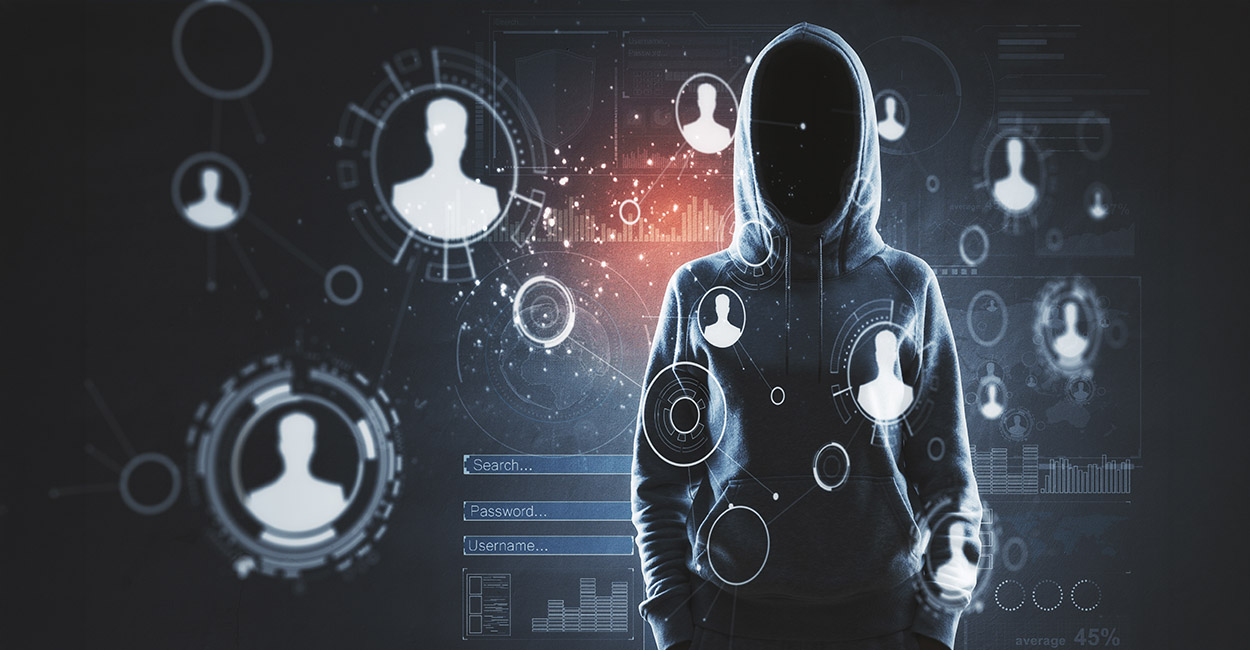
Rather than engaging with the formal process, she launched a personal campaign against Jon: abusive calls from herself, her family members, and strangers entirely unknown to him. Then came the reviews – negative, malicious, and very public – spreading across social media and, most damagingly, onto Truecaller.
If you haven’t encountered it yet, Truecaller is the kind of app that quietly becomes indispensable. Used by more than 450 million people globally, with over 100 million active users across the Middle East and Africa alone, it identifies unknown callers, blocks spam, flags fraud, and displays user-generated comments about phone numbers. For real estate agents who live and die by the cold call, it’s an essential tool. Which is precisely what makes it such an effective weapon when turned against them.
Despite the client being in contravention of signed contracts, she has taken the position that Jon is entirely responsible for the legal action against her and has launched a malicious campaign against him. This includes abusive phone calls made to Jon directly by her, her family members, and unknown people that Jon has never dealt with nor are in his network.
The malicious campaign has broadened to include negative reviews of Jon’s service on social media and other platforms, especially Truecaller. At Jon’s request, and with Truecaller somewhat redeeming itself, these have now been removed from the platform.
The South African Information Regulator is currently investigating Truecaller under potential violations of the Protection of Personal Information Act (POPIA). However, this is not the only platform that exposes agents to unwarranted, false commentary. It is prolific across social platforms such as YouTube, Facebook, X, Instagram, and TikTok.
Should reviews be allowed?
The question is whether these platforms should even offer review ratings.
Obviously, we love it when they praise our service, and even negative reviews can help us understand where we fall short. However, there is no distinction between justifiably negative and malicious, and by the time these comments are removed, the harm may already have been done to reputation, brand, and associates. Worse is that in many cases, the accuser or ‘abuser’ is unknown to the targeted individual, nor is in their network.
While legal action can be taken as a last resort, part of the problem lies in identifying or revealing the person behind a pseudonym. Alongside this is the question of whether to answer unidentified calls in the event of new threats or attacks, as these could well be legitimate responses to cold-call marketing campaigns.
Seasoned agents advise Jon to ignore such attacks and not respond at all. Where a response is necessary, a neutral reply is less confrontational, such as “I’m sorry you believe you have been wronged; however, I remain committed to providing professional advice and assisting you further should you wish to resolve this conflict.”
POPIA
POPIA comes into play in this type of scenario, especially with regard to how to document interactions, which is recommended, for while the Act prohibits recording personal information without consent, for instance, it does allow for such if recordings are made by a direct participant and are justifiable in protecting ‘themself’ against threatening behaviour or to prove it.
It is time for agencies and trainers, if they are not already doing so, to provide clear social media policies and guide agents in handling malicious attacks on such platforms. This includes how to respond as an individual, in either a personal or professional capacity, in service to the public, and as a professional real estate business.