

MAIN IMAGE: Thato Ramaili – CEO of the PPRA, Jan le Roux – CE of Rebosa
The Property Practitioners Regulatory Authority (PPRA) has announced an important change that will make it easier for new people to enter the property industry. Here is what it means, in simple terms.
What has changed?
Until now, anyone who wanted to become an estate agent had to first complete a formal NQF Level 4 real estate qualification before writing the Professional Designation Examination (PDE 4). For many agents, this was expensive and difficult to complete while trying to earn a living. The new NQF4 (or the NQF 4 OC) also requires candidates to demonstrate the same body of technical knowledge twice – first through the EISA and again through the PDE 4.
From 1 August, there is now a second option. If you have Matric (a National Senior Certificate), you can go straight to writing the new PPRA Examination. If you pass the exam and complete the six practical training modules in the workplace, you can register as a Non-Principal Property Practitioner.
The first sittings of the new exam take place later this year; dates will be announced soon.
Note: this is an extra option, not a replacement
The existing qualification routes are not going away. Nothing is being taken away from anyone.
If you want to study for a formal qualification, you still can. The Further Education and Training Certificate: Real Estate (NQF 4), the Occupational Certificate: Real Estate Agent (NQF 4), and the qualifications at NQF Level 5 and above all remain available exactly as before.
The new pathway simply gives candidates a choice. You can qualify through study, or you can prove your competence through the PPRA Examination. Both routes lead to the same professional standard.
One difference to note: candidates who take the exam route and do not hold the formal qualification will not receive the PPRE professional designation (Professional Practitioner in Real Estate). They can still work as registered Non-Principal Property Practitioners.
This is not a lowering of standards
Some may worry that a new entry route means weaker agents. It does not. The standard stays exactly the same; only the route is different.
PPRA CEO Thato Ramaili is emphatic on this point. “This marks a defining moment in the transformation and professionalisation of South Africa’s property sector,” she says. “By introducing an additional competency-based pathway, we are not lowering the bar; we are widening the gate. Professional standards remain uncompromised, but we are removing unnecessary barriers that have prevented many capable South Africans from entering and progressing within the profession.”
The PPRA Examination is, profession-specific test. It covers the law, ethics, consumer protection, compliance and the practical skills every agent needs. On top of that, every candidate must still complete the six practical training modules under supervision before practising independently. Every person entering the profession must prove the same knowledge, competence and ethical conduct as before. The public remains fully protected.
What the new route offers is a more affordable alternative, not an easier one.
Why this matters now
For years, the cost and time of the compulsory qualification kept many talented South African individuals in limbo, stuck in candidacy for years because they could not afford to complete their qualifications while trying to earn a commission and survive.
This is exactly the problem REBOSA campaigned to fix. “The cost of the NQF4 qualification has for too long placed real estate careers out of reach for capable, hardworking individuals,” says Jan le Roux, chief executive of REBOSA. “Too many talented candidates have been trapped in prolonged internships, unable to progress simply because the qualification pathway did not accommodate the realities of earning a living while qualifying. This new pathway directly addresses this problem.”
The reform tackles that head-on. Capable people can now demonstrate their competence, complete their practical training, and progress towards full registration while remaining economically active. That means new entrants can qualify faster, start building their careers sooner, and become profitable earlier, which is good for them, good for agencies, and good for the growth and transformation of the whole sector.
“This reform addresses the longstanding challenge of candidate practitioners remaining interns for years, creating a practical pathway that allows them to demonstrate competence, complete their practical learning and build sustainable careers while earning a living,” says Ramaili. “It is a progressive, inclusive and consumer-focused reform that advances transformation while strengthening professionalism in our sector.”
Le Roux adds: ” Candidates must still work under the supervision of a qualified property practitioner until the qualification has been achieved and all agreements must be reviewed and co-signed by a qualified agent during that period. Consumers remain protected”.
What should candidates do now?
If you are a registered candidate nearing the end of your 12-month candidacy period, or already past it, the PPRA encourages you to prepare for the enhanced PPRA Examination and take advantage of this new route. The current curriculum and practical training requirements remain unchanged until further notice.
In short: same high standards, one more affordable door into the profession. That is a win for everyone.
Broad support across the sector
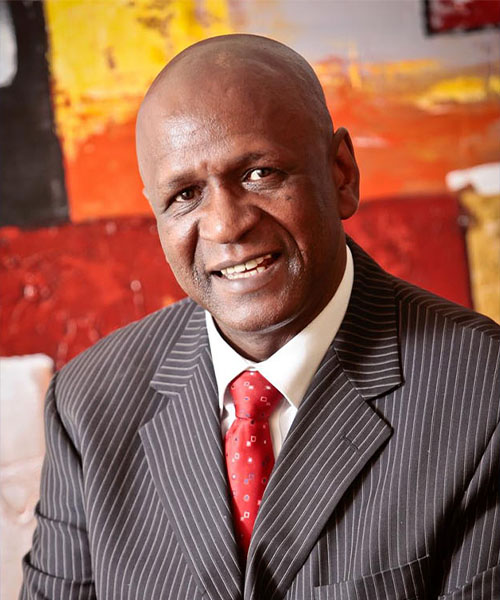
Leo Mlambo, president of the National Property Forum and chairperson of the “NPPC” Transformation Committee, said the mandatory qualification had “created significant barriers to entry”. He welcomed the new pathway as “a progressive reform that expands access without compromising professional standards”. Read Mlambo’s full comment here

Robert Tsekoa, a REBOSA director and founder and CEO of Hashtags Properties Group, said that having managed 50 branches and more than 150 agents, he had “watched the NQF 4 portfolio break careers before they could start”, with talented previously disadvantaged interns walking away “not because they lacked ability, but because they couldn’t afford to finish a costly, tedious qualification”. He described the competency-based pathway as “a vital victory for transformation”, adding that meaningful transformation meant “not lowering standards, but removing the barriers that had nothing to do with competence in the first place”. Read Tsekoa’s full comment here

Xoliswa Tini, CEO of XTP Properties and a practitioner of more than 25 years, said she came up through the older model, learning “directly from experienced professionals while earning commission”, and that many of the skills that determine success “cannot be taught in a classroom”. She applauded the PPRA “for having the courage to make this change”, adding that “real estate is learnt in the field, with clients, under the guidance of experienced professionals”. Read Tini’s full comment here

Andrew Golding, CEO of Pam Golding Properties, said the reform “recognises there is more than one way to develop highly competent property practitioners”, giving aspiring practitioners “a choice of pathways to the same professional destination”. He said it valued “structured workplace training and mentorship alongside technical learning”, while ensuring every practitioner is “held to the same high standard through a rigorous PPRA examination”. Read Golding’s full comment here

Adrian Goslett, CEO of RE/MAX Southern Africa and chairman of REBOSA, welcomed the replacement of the mandatory NQF Level 4 with the Professional Designation Examination (PDE 4) as “a progressive and practical step that lowers significant financial barriers to entry, particularly for previously disadvantaged individuals”. The change, he said, would make the industry “more accessible, more inclusive, and better positioned to attract the next generation of talented property practitioners”. Read Goslett’s full comment here

Samuel Seeff, chairman of the Seeff Property Group, said the previous approach, “while well-intentioned at the time, was ultimately impractical and acted as a deterrent for prospective property professionals”. The new arrangement, he said, “will greatly benefit those wishing to enter the sector, particularly previously disadvantaged candidates, and will go a long way toward transforming the industry”. Read Seeff’s full comment here

Tony Clarke, MD of the Rawson Property Group, called it “one of the most significant and progressive reforms our industry has seen in many years”, arguing that a rigorous board examination “can achieve exactly the same objective, indeed it can set an even higher benchmark”. Professional standards, he said, “should ultimately be measured by an individual’s competence, ethics and ability to serve consumers, not by the length or cost of the journey to qualification”. Read Clarke’s full comment here

Yael Geffen, CEO of Lew Geffen Sotheby’s International Realty, said “real estate is ultimately a people business” and that, while qualifications matter, “competence, professionalism, practical skills and a commitment to serving clients are what truly define success in our industry”. Creating an additional pathway that recognises these attributes while retaining the existing NQF routes, she said, “strikes the right balance between maintaining standards and improving accessibility”, strengthening “both the industry and consumer confidence”. Read Geffen’s full comment here

Nico du Plessis, CEO of the RNS Group, shares “This initiative provides an opportunity to strengthen professionalism while restoring fairness to practitioners who have remained committed to the industry despite circumstances beyond their control. RNS believes the measure will significantly improve regulatory compliance, enhance consumer confidence and allow the property sector to move forward with a more realistic and sustainable professional qualification framework”. Read du Plessis’ full comment here

Andrew Sadomba, principal estate agent and owner of Y-Rent Properties, who came up through the old board exam system after being mentored by Adv Louis Taljaard, said: “The obstacle was never ability, it was access”. The reform, he said, gives aspiring practitioners “the same opportunity that so many of us were fortunate enough to have: to learn by doing, be guided by those who’ve done it before them, and prove themselves through a demanding exam”. Read Sadomba’s full comment here
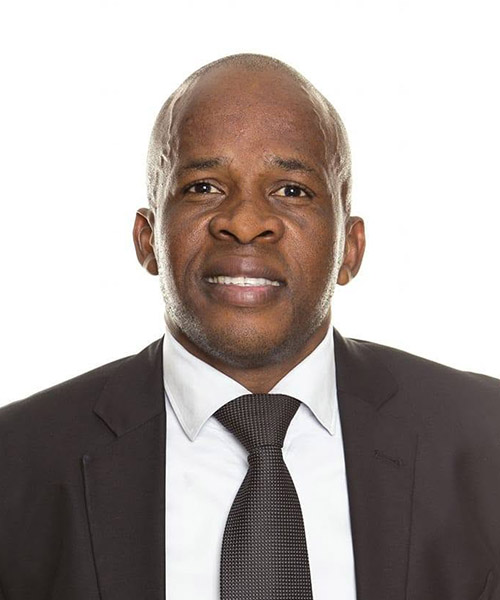
Skoko Sebola, principal of Leapfrog Property Group Midrand, said the NQF “has become a significant barrier for many talented people wanting to enter our commission-based industry”. The reform, he said, “opens the door to more entrepreneurs, supports transformation and gives aspiring agents the opportunity to start earning straight away, while still meeting a high professional competency standard”. Read Sebola’s full comment here
Article supplied by Rebosa