Editor
Security often ranks high on buyers’ questions, and sellers frequently rely on assumptions about what keeps a home safe. Charnel Hattingh, group head of marketing and communications at Fidelity Services Group, unpacks five common security myths and the reality behind them, offering practitioners useful context when advising clients and presenting homes.
For property practitioners, security is part of the conversation from the first viewing to transfer. Buyers want to know how well a home is protected, sellers want to know which measures add value, and agents are often responsible for homes that sit empty while on the market.
According to Hattingh, many homeowners rely on common beliefs about when criminals strike, what deters them, and which security measures are sufficient, and these assumptions can create a false sense of security.
“Security starts with understanding that there is no single solution that can completely protect a property,” she says. “Criminals look for opportunities, and homeowners should consider how their routines, property and security measures could potentially create those opportunities.”
Myth 1: crime only happens at night
Hattingh points out that criminal activity can happen at any time of day, and daytime can create opportunities, especially when homes are left unattended while residents are at work or school. This is especially relevant for vacant listings and homes whose owners are away during working hours.
Effective perimeter security, alarm systems and outdoor beams, and alertness to unusual activity all help reduce those opportunities, she says.
Myth 2: an alarm system means a property is protected
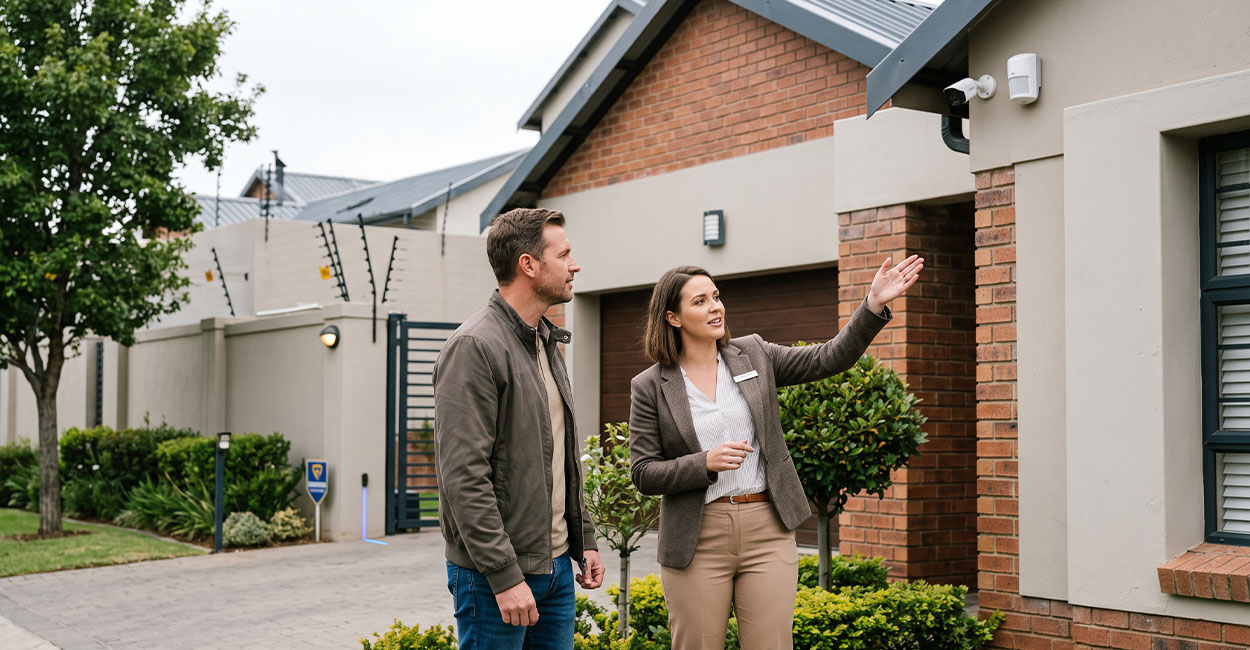
An alarm system is one layer of security, not a complete solution, says Hattingh. While it can alert homeowners and security providers to a potential break-in, it does not physically prevent someone from attempting to enter a property. She favours a layered approach that combines alarm systems, security cameras, outdoor beams, appropriate lighting, and professional armed response.
“The strongest security approach is one where different layers work together to deter, detect and respond to potential threats,” says Hattingh.
It is a useful way to describe a property’s security features to buyers, or to frame the conversation when sellers ask which improvements are worth making before listing.
Myth 3: high walls will keep criminals out
According to Hattingh, walls, gates, and fences are an important part of a property’s security and can help deter criminals, but they aren’t impenetrable and shouldn’t be relied on alone. She suggests regularly checking the perimeter for weaknesses and ensuring vegetation, structures, or other objects don’t provide places to hide or opportunities to gain access.
Myth 4: criminals don’t target homes when people are inside
Occupied homes can still be targeted, Hattingh says, and being inside does not automatically make residents safe. She stresses the importance of staying alert to suspicious individuals or vehicles and verifying who people are before letting them onto the premises. In her view, every household should also have a plan for responding to an emergency, including knowing how to activate a panic button or contact its security provider.
The same principle of verifying visitors applies to show days and private viewings, where agents and sellers regularly admit people they haven’t met before.
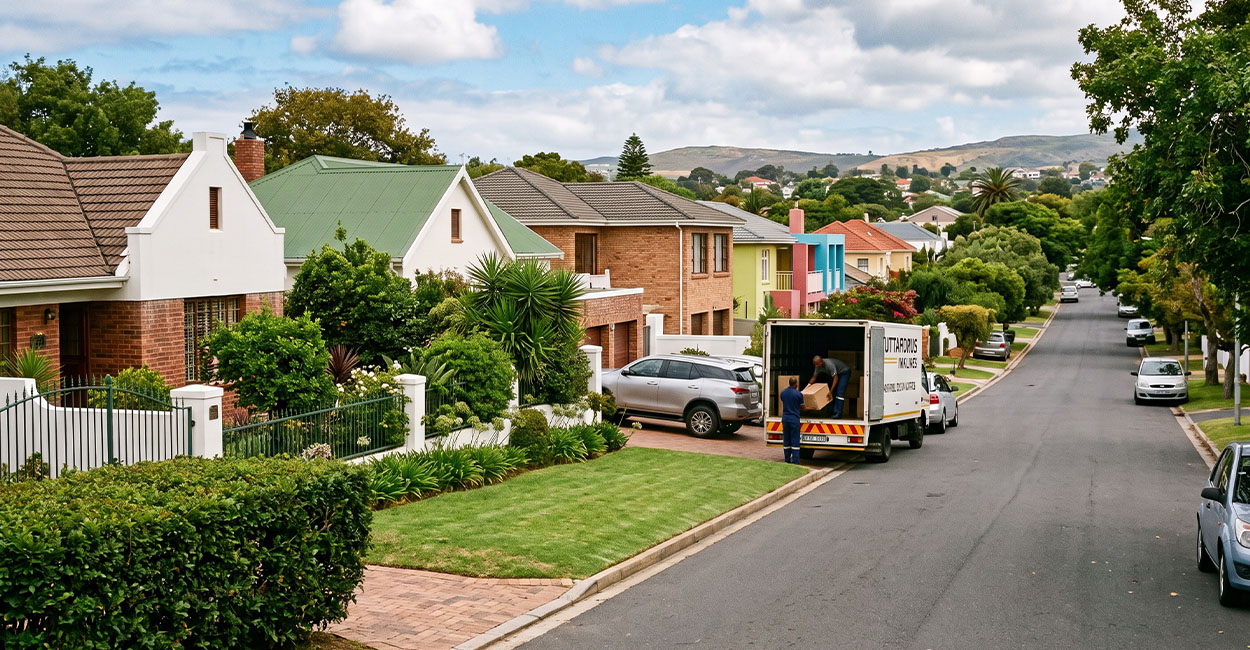
Myth 5: a safe neighbourhood doesn’t need security
No neighbourhood is completely immune to crime, says Hattingh, and even communities with historically low crime levels can experience criminal activity. She believes residents should stay aware of what is happening in their area, take part in neighbourhood safety initiatives where possible, and ensure their properties have appropriate measures in place.
“Feeling safe should never replace being prepared,” she says. “Crime patterns can change, and a proactive approach is always preferable to waiting until an incident occurs.”
A layered approach
For Hattingh, effective security is more than a single product, barrier, or precaution. It means combining multiple layers of protection while staying aware of potential vulnerabilities, which for homeowners could include physical security, alarm systems, cameras, armed response, appropriate lighting, community awareness, and sensible everyday habits.
“People don’t need to live in fear, but they do need to understand that security is an ongoing responsibility,” concludes Hattingh. “By challenging common assumptions and looking at their properties objectively, homeowners can identify vulnerabilities before criminals do.”