
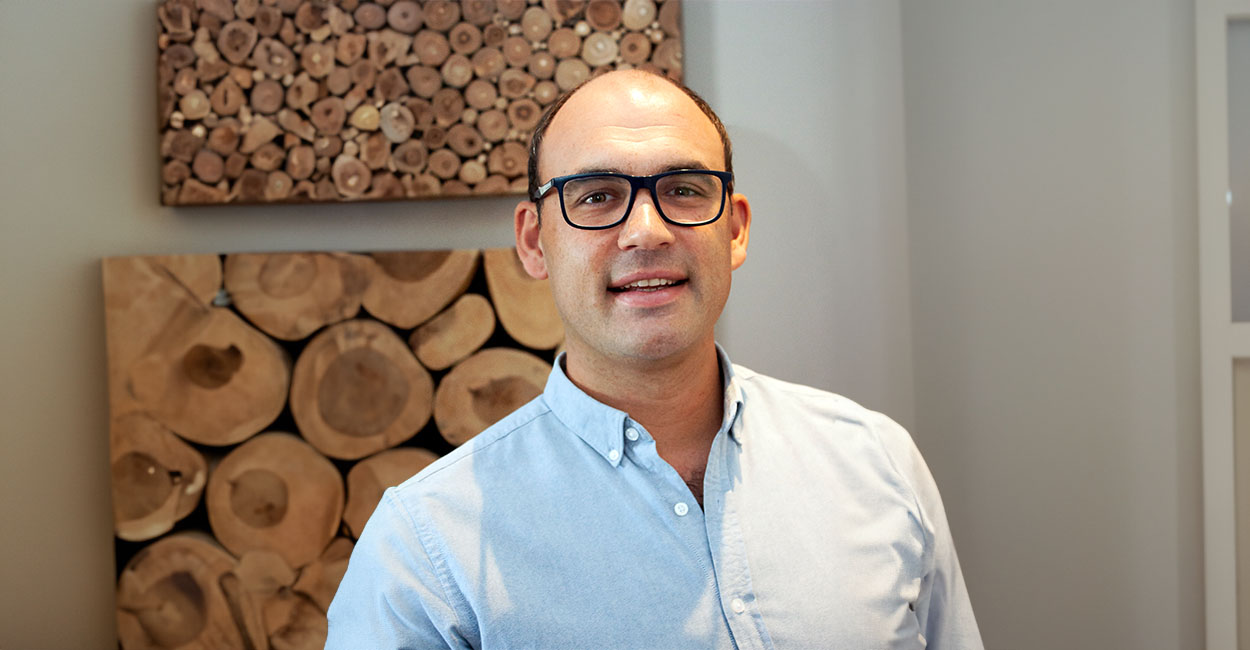
MAIN IMAGE: Renier Kriek – managing director at Sentinel Homes
Opinion
Housing provision is a business. That statement sometimes makes people uncomfortable because access to housing is also a constitutional right, and a house is both a social good and a basic condition for a dignified life.
But pretending housing is not a business does not help anyone. In fact, it is one of the reasons we keep misdiagnosing the problem.
South Africa has a severe housing shortage. President Ramaphosa recently put the backlog at between 2.5 million and 3 million homes. The pain is most acute in the so-called gap market, where households earn too much to qualify for fully subsidised housing but too little to comfortably access the mainstream private market.
That is not a small problem. It is also not a small market.
“Depending on how one measures it, the gap market represents a potential housing opportunity worth well over R2 trillion in property value alone, before one even considers rental income, home loan income, secondary market activity, insurance, municipal rates, furniture, renovations and all the other economic activity that follows housing,” says Renier Kriek, managing director of Sentinel Homes.
So here is the question that should bother all of us: If there is obvious demand for affordable housing, and if housing is a business, why is capital not flooding into this market?
The answer is not that businesspeople hate poor people or refuse to eat their lunch. The answer is not that banks are lazy. The answer is not that developers have suddenly lost the ability to build. The answer is that the housing market is badly designed.
Capital goes where risk is understandable, enforceable and capable of being priced. If the rules make it slow, costly or uncertain to recover capital when a transaction fails, capital does what capital always does. It moves elsewhere. That is not a moral statement. It is plumbing.
This is the part of the housing debate we often avoid. We speak about access, fairness and transformation, some speak against the “financialization of housing,” but we often ignore the mechanics that determine whether anyone with capital is willing to take the risk.
Consider the current shape of the market. South Africa has about 18 million households, but the formal home loans market comprises only about 1.6 million accounts. Recent NCR data also shows that the majority of mortgage grants continue to go to properties above R700,000, while the gap market receives a far smaller share of home loan approvals.
In other words, the system is not financing the part of the market where the greatest unmet need sits. Why?
Because gap market housing carries higher perceived risk, thinner margins and more difficult enforcement. Developers face delays, red tape, corruption risk, planning bottlenecks and slow release of land. Lenders and landlords face long, uncertain and expensive recovery processes when borrowers or tenants default. That matters a great deal.
No one sensible wants unnecessary evictions or reckless foreclosures. People should be treated humanely and with dignity. But a system that makes remedies practically unavailable does not eliminate default. It merely causes lenders and landlords to price that risk into every transaction, or to avoid the market altogether. The result is the perverse housing market we currently have in South Africa.
A legal and policy system designed to protect vulnerable households ends up excluding many of them from housing in the first place. The relatively small minority of people who default receive an enormous amount of policy and procedural attention. The much larger group of people who never get housed, never get financed and never get a chance to build equity remain mostly invisible.
That is the real cruelty.
The public debate also tends to search for convenient villains. Banks. Developers. Landlords. Airbnb. Short-term rentals. Foreign buyers. The villain changes depending on the season, but the diagnosis remains too shallow. The deeper problem is market design.
If we want capital to serve poorer and more vulnerable households, we have to make it less irrational for capital to do so. That means reducing friction, reducing uncertainty, speeding up approvals, improving enforcement and designing remedies that are fair but workable. Capital that cannot get out will be reluctant to go in.
This is not an argument for abandoning consumer protection. It is an argument for understanding that consumer protection has to work at system level, not only at the level of the individual case. Protecting one household in default can be justified. Designing a system that scares capital away from thousands of future households is not.
The proposed amendments to the PIE Act, are therefore worth watching closely. If handled properly, this could be one small step toward restoring balance, even though the current text of the amendment makes the situation worse. But if even if sanity prevails and the amendment achieves some rationalisation of eviction law, the broader point remains.
Government’s role is not to coerce capital into affordable housing by moral accusation. Government’s role is to design a market in which capital can participate responsibly, profitably and at scale. This is already happening with cars, with bread, or with televisions. Why not also with housing?
Investors should also be more vocal about this. There is a massive opportunity cost in sitting outside the gap market. Every year that the market remains broken, capital holders lose potential returns, consumers remain excluded, and the housing backlog grows harder to solve.
South Africa does not lack affordable housing. Instead, it lacks a system that makes it rational for enough capital to meet that demand. And until that system improves, the gap market will remain exactly what its name suggests: a gap where homes, capital and policy should meet, but too often do not.