

BetterBond
The Western Cape and Greater Pretoria are pulling further ahead of the rest of the country on house price growth, according to the September 2026 edition of the BetterBond Property Brief, which points to employment, schooling, and the pull of the administrative capital as the main forces reshaping where demand is strongest.
Western Cape and Pretoria lead on price growth
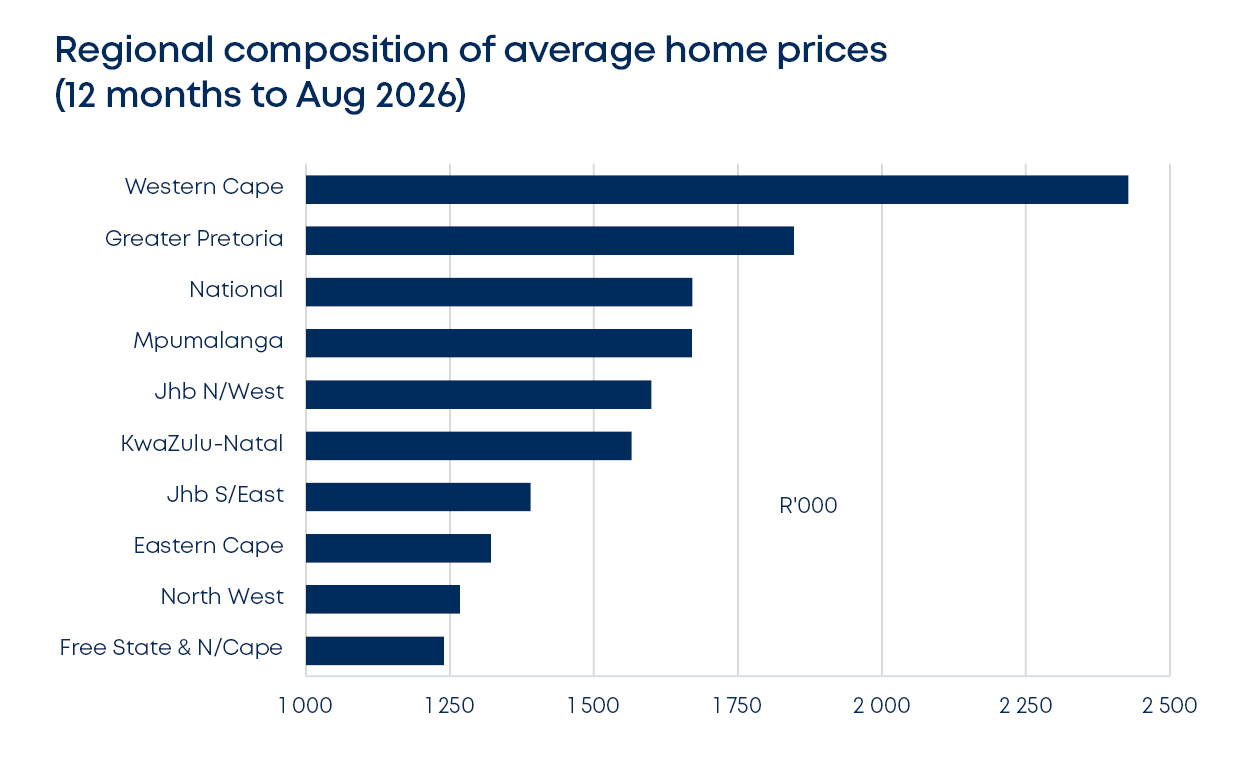
Over the past year, both regions recorded double-digit increases in average house prices. The brief places the Western Cape in pole position with growth of 13.8%, followed by Greater Pretoria at 11.5%. It attributes the stronger demand in these areas partly to the prevalence of schools offering quality education and extra-mural activities, especially sport, and to the presence of well-regarded tertiary institutions. Pretoria, the brief notes, carries the added advantage of being the country’s administrative capital, home to the Union Buildings, government ministries, and foreign embassies.
Mpumalanga edges into the top three
There has also been movement further down the table. The brief reports that Mpumalanga has leapfrogged KwaZulu-Natal into third place for average house prices, at R1.67 million.
Following the jobs
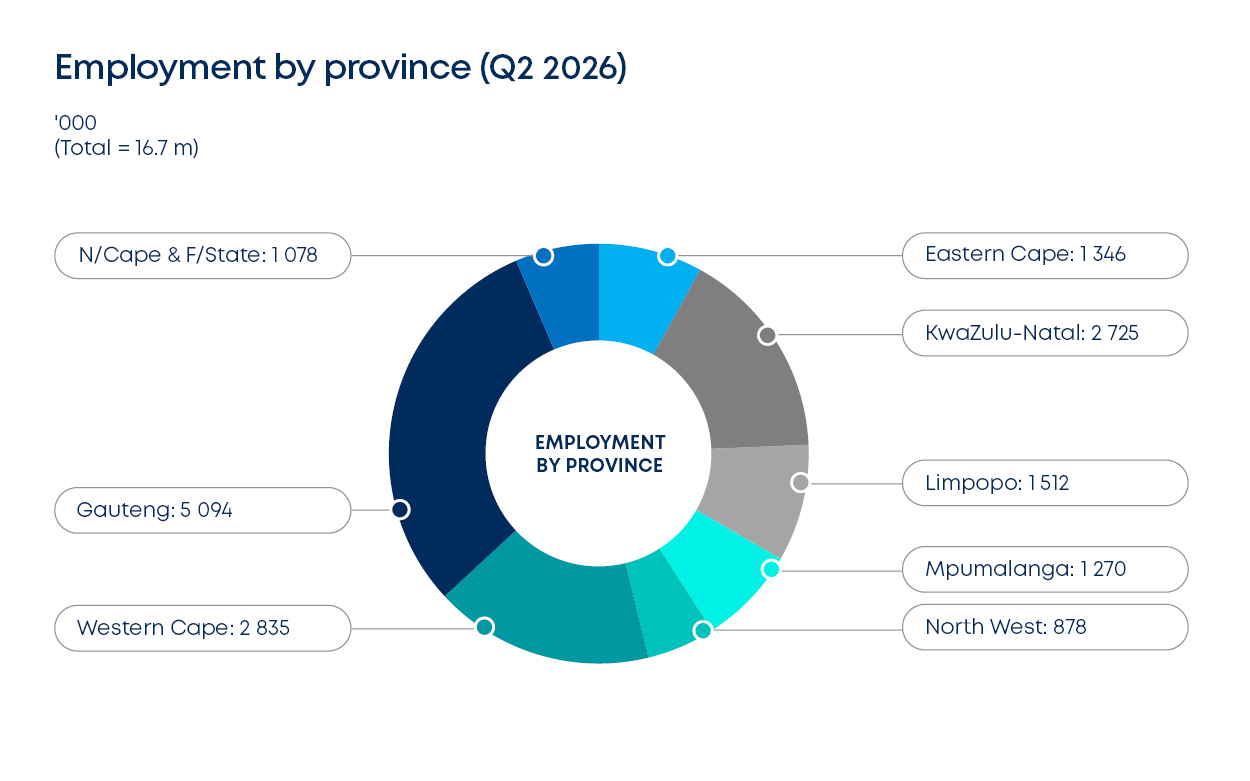
Much of this, the brief argues, comes back to where the jobs are. It describes the availability of work as a key driver of regional migration, a trend it says continues to change the country’s demographics and, with it, the availability and prices of houses. Over the 12 months to the end of June 2026, the brief says three provinces attracted people from other parts of the country through meaningful gains in employment.
The Western Cape again stood out. The brief records a gain of 91 000 new jobs in the province, a figure it describes as virtually identical to the number of jobs lost in Gauteng over the same period. Mpumalanga recorded the second largest increase at 47 000 jobs, followed by KwaZulu-Natal with 23 000. The Eastern Cape and North West, by contrast, shed jobs over the past four quarters. Even so, the brief points out that Gauteng remains firmly in the top spot, accounting for 30% of the country’s total employment of roughly 16.7 million.
What it means for practitioners
For practitioners, the pattern is a useful read on where competition for stock and buyer demand is likely to intensify. The regions drawing workers are, on the brief’s own account, the regions posting the strongest price growth, which suggests the divergence between provinces may persist rather than even out in the short term.
A steadier national backdrop
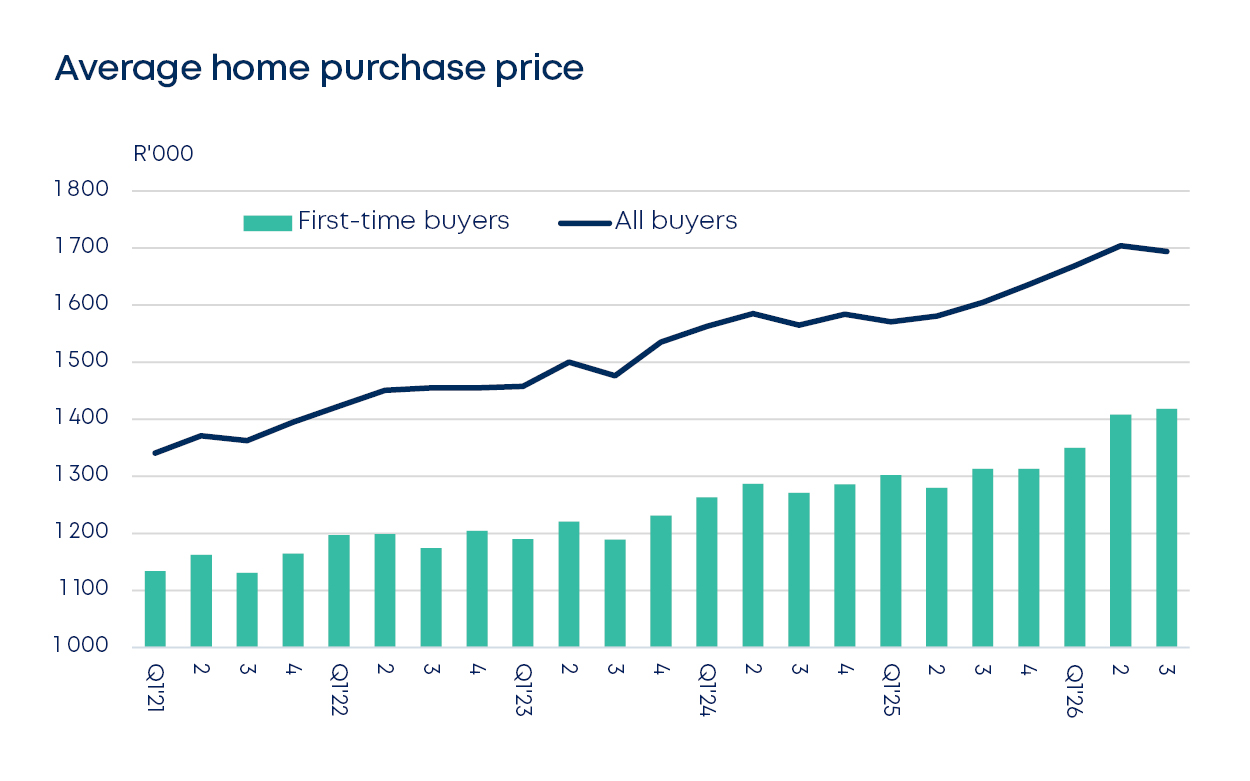
The regional picture sits within a national market the brief characterises as steadier than a year ago. It reports that the average house price across the country rose 5.9% year on year, compared with only 1.2% over the previous 12 months. First-time buyers are now paying an average of R1.4 million, which the brief describes as a nominal increase of 19% since the third quarter of 2023, while the home loan approval rate has climbed to 64.5%. The benchmark lending rate has held at 10.5% over the past three months.
Stephan Potgieter, chief executive officer of BetterHome Group Mortgage Origination and BetterBond, is quoted in the brief as saying: “There are some encouraging signals in the market, from improving home loan approval rates to stronger employment and continued growth in house prices. While buyers remain sensitive to interest rates and deposit requirements, affordability has improved for many South Africans. These trends point to a market where opportunities remain for those ready to take their next step towards homeownership.”
The rate outlook
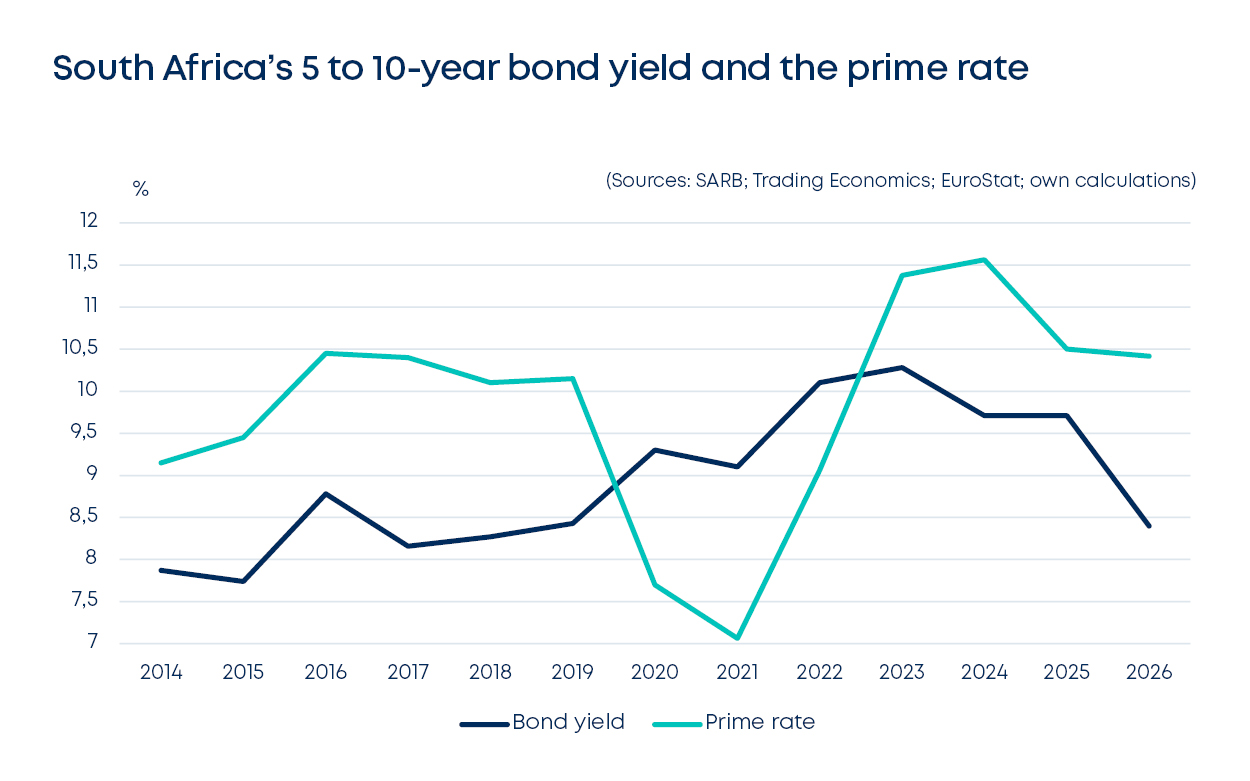
The brief’s economic commentary, provided by economist Dr Roelof Botha, adds that the recent decline in South Africa’s long-term bond yield suggests scope for further easing of monetary policy, with the consumer price index having dropped to marginally above the new upper tolerance level of 4%. It cautions, however, that any further rate relief will depend in part on external factors, including conditions in global energy markets.
For now, the brief’s regional data offers agents a clear signal on where the momentum lies, with the Western Cape, Pretoria, and Mpumalanga the areas to watch as buyers follow the jobs.